How long is the PGWP in Canada?
The Post-Graduation Work Permit duration matches your study program length, up to a maximum of 3 years (for programs of 2+ years).
Loading NexStudy…
World-class education with post-study work permits and PR pathways
Share your phone or email and our counselors will send a country-specific shortlist, visa risk check, and document plan for Indian students.
Free Canada shortlist
For Indian students
World-class education with post-study work permits and PR pathways
Step-by-step process to get your Study Permit
Living-cost requirement checked on 2026-10-15
Use the current official immigration guidance for Canada to check when you can apply and any processing estimate for your application route. We have not verified a current processing time for this summary.
Plan university deadlines and any required pre-application steps separately from the visa decision. Confirm the documents and appointments that apply to your application, and do not rely on a generic preparation buffer or processing estimate as a guaranteed decision date.
| Planning area | What to confirm |
|---|---|
| University arrangements | Confirm offer, acceptance and enrollment deadlines with your institution. |
| Documents and appointments | Check the official requirements and appointment availability for your application. |
| Visa processing | Check any current official estimate, its scope, and when the processing clock starts. |
| Travel and accommodation | Check your visa status and booking cancellation or refund terms before committing. |
Funds must be traceable, sufficient, and consistent with tuition plus living cost requirements.
Your SOP should explain course choice, academic progression, career goals, and India ties.
Names, dates, marksheets, bank letters, and offer details must match across the file.
Students should be able to explain the university, course, budget, and post-study plan clearly.
Average salaries for international graduates in Canada
| Role | Average Salary | Growth Signal |
|---|---|---|
| Software Engineer | CAD 95,000 | +16% |
| Registered Nurse | CAD 80,000 | +10% |
| Financial Analyst | CAD 72,000 | +8% |
| Data Engineer | CAD 100,000 | +20% |
| Civil Engineer | CAD 85,000 | +7% |
| Marketing Manager | CAD 78,000 | +6% |
In most cases, Indian students can work part-time in Canada if their student visa permits it. Common student jobs include campus assistant roles, hospitality, retail, tutoring, delivery support, and entry-level tech or admin roles. Students should always follow the work-hour rules printed on their visa conditions.
Part-time work should be treated as support income, not the main funding source. The stronger plan is to show full financial capacity first, then use part-time income for living flexibility, local experience, and networking.
Strong fit for students who combine relevant coursework, internships, portfolio projects, and local networking while studying.
Strong fit for students who combine relevant coursework, internships, portfolio projects, and local networking while studying.
Strong fit for students who combine relevant coursework, internships, portfolio projects, and local networking while studying.
Strong fit for students who combine relevant coursework, internships, portfolio projects, and local networking while studying.
Studying in Canada can support long-term settlement only when the student chooses an eligible course, maintains visa compliance, gains relevant work experience, and meets immigration criteria at the time of application. A degree alone should not be treated as a guaranteed PR pathway.
Post-Graduation Work Permit (PGWP) gives graduates time to gain local work exposure. Students targeting settlement should compare occupation demand, salary thresholds, regional rules, language scores, and work visa conversion routes before choosing a university or city.
Monthly expenses breakdown for international students
| Expense | Estimated Range |
|---|---|
| Rent (1BR City) | CAD 1,200-2,500/mo |
| Groceries | CAD 250-400/mo |
| Transport | CAD 90-150/mo |
| Internet | CAD 50-80/mo |
| Dining Out | CAD 15-30/meal |
| City | Average Rent | Best For |
|---|---|---|
| Toronto | CAD 2,300/mo | Finance, Tech, Business |
| Vancouver | CAD 2,100/mo | Film, Tech, Sciences |
| Montreal | CAD 1,400/mo | AI, Aerospace, Arts |
| Ottawa | CAD 1,600/mo | Government, Policy |
| Calgary | CAD 1,500/mo | Energy, Engineering |
Curated awards Indian students commonly shortlist — government, research, and university merit routes. Verify deadlines on the official site.
By Government of Canada
By Government of Canada
By Provinces & universities
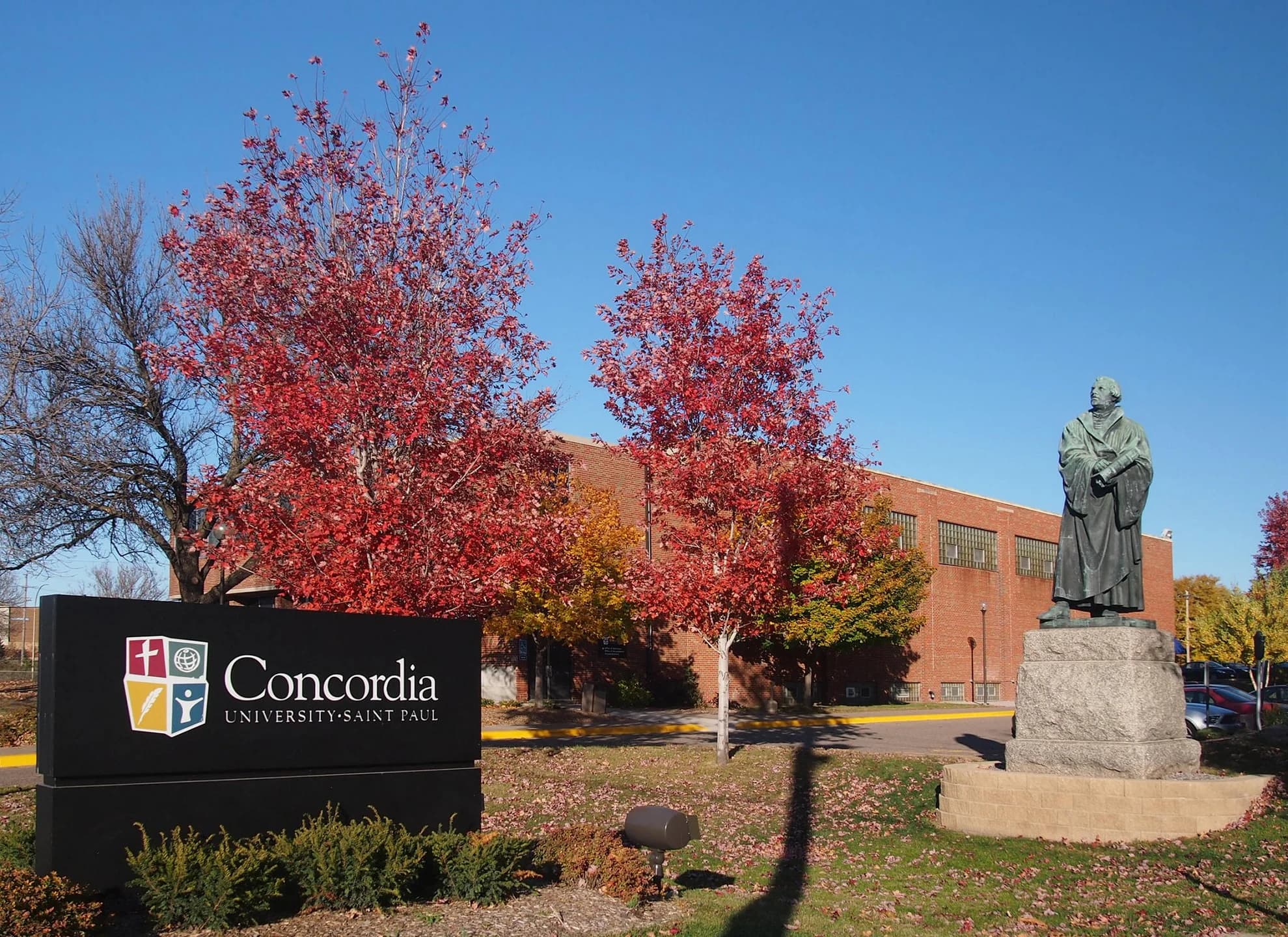
📍 Saint Paul, Canada
Concordia University, located in Montreal, Quebec, Canada, is a public research university known for its diverse student body and strong focus on interdisciplinary studies. Founded in 1974, the university has grown to become one of the largest in Canada, offering over 300 programs across various disciplines. Concordia is particularly renowned for its faculty, which includes numerous award-winning professors and researchers. The university is also home to several prestigious research centers and institutes, contributing significantly to advancements in various fields.

📍 Montreal, Canada
Concordia University is a public research university located in Montreal, Quebec, Canada. It was established in 1974 through the merger of two existing institutions: Sir George Williams University and Loyola College. The university is known for its diverse student body and strong focus on interdisciplinary research. Concordia offers a wide range of undergraduate and graduate programs across various faculties, including Arts and Science, Fine Arts, Engineering and Computer Science, and John Molson School of Business. The university is also renowned for its commitment to social justice and community engagement.

Centennial College is a public college located in Toronto, Ontario, Canada, and is the first community college in the province established in 1966. It offers a wide range of diploma, certificate, and degree programs, including applied arts, business, healthcare, engineering technology, and media studies. The college is known for its strong industry connections, co-op and internship opportunities, and focus on hands-on learning, making it a popular choice for both domestic and international students seeking career-oriented education.
Humber College is a public college in Toronto, Ontario, Canada. It is one of the largest colleges in Canada, offering a wide range of programs in applied arts, sciences, and technology. The college is known for its strong industry connections and practical, hands-on learning approach. Humber College has a diverse student body, with a significant number of international students.

The University of Alberta is a public research university located in Edmonton, Alberta, Canada. It was established in 1908 and is one of the top universities in Canada. The university offers a wide range of undergraduate and graduate programs across various disciplines, including arts, sciences, engineering, business, and medicine. The University of Alberta is known for its strong research programs, particularly in the fields of medicine, engineering, and natural sciences. It has a large student population, with over 36,000 students, including a significant number of international students.

Concordia University is a public English-language research university located in Montreal, Quebec, Canada. It was formed in 1974 through the merger of Loyola College (founded in 1916) and Sir George Williams University (founded in 1926, with roots dating to 1896). The university is known for its strong programs in fine arts, engineering, business, computer science, and journalism, and it serves a diverse student population across its two main campuses: the Sir George Williams Campus in downtown Montreal and the Loyola Campus in the Notre-Dame-de-Grâce neighborhood. Concordia is one of the largest universities in Canada by enrollment and is recognized for its commitment to innovation, experiential learning, and community engagement.

Oxford International Education Group (OIEG) is a private international education provider that operates English-language schools and academic pathway programs in Canada, including centres in major cities such as Toronto and Vancouver. Its Canadian operations focus on intensive English language training, academic preparation, and university/college pathway routes for international students seeking to progress into Canadian higher education. Programs typically include general and academic English, IELTS/exam preparation, and structured pathway offerings that help students meet language and academic entry requirements for partner institutions. The organisation is part of the wider Oxford International Education Group network, which delivers language and pathway education across multiple countries rather than functioning as a traditional degree-granting research university.
Conestoga College is a leading public polytechnic institution in Ontario, Canada, and its Kitchener–Doon campus is the college’s flagship and largest site. Located in the Doon Valley area of Kitchener within the Waterloo Region technology corridor, the campus delivers diploma, advanced diploma, degree, graduate certificate, apprenticeship, and continuing education programs across engineering, health sciences, business, information technology, community services, and skilled trades. Conestoga emphasizes hands-on applied learning, co-operative education, and industry partnerships rather than traditional university-style academic research. The Doon campus combines modern academic buildings, specialized labs, collaborative learning spaces, and comprehensive student support services. Its setting offers a suburban, park-like environment with access to the amenities and employment opportunities of Kitchener, Waterloo, and the broader region. Conestoga is widely recognized for strong graduate employment outcomes and close ties to local employers, particularly in advanced manufacturing, technology, and healthcare. Founded in 1967 as part of Ontario’s college system, Conestoga has grown into one of Canada’s largest colleges, with the Kitchener–Doon campus serving as the central hub for many signature programs and applied research through Conestoga’s Research & Innovation division. The institution attracts a large and diverse student population, including a substantial international cohort drawn to its career-focused programs and co-op opportunities.

📍 OTTAWA, Canada
Le Cordon Bleu is a renowned institution for culinary arts education, with a global presence. It offers a wide range of programs, from short courses to bachelor's and master's degrees, focusing on professional culinary arts. The university is known for its hands-on approach, industry connections, and emphasis on cultural diversity in the culinary field.
📍 South Huron, Canada
Fanshawe College's Clinton Campus is a satellite location of Fanshawe College, a well-known public college in Ontario, Canada. The Clinton Campus offers a range of programs, including agriculture, healthcare, and skilled trades, designed to meet the needs of the local community and workforce. The campus is known for its hands-on, practical approach to education, providing students with the skills and experience necessary to succeed in their chosen fields. The Clinton Campus is part of Fanshawe College's broader network, which includes multiple campuses across southwestern Ontario, offering a supportive learning environment with modern facilities and resources.
📍 London - Canada, Canada
Fanshawe College is one of Ontario's largest colleges, with a reputation for providing flexible learning arrangements and experiential education opportunities. The London Airport Campus, located near the London International Airport, offers specialized programs in aviation, transportation, and logistics, among others. The campus is equipped with modern facilities and provides students with hands-on training in a real-world environment. Fanshawe College is known for its strong industry connections, ensuring students gain relevant skills and experience to succeed in their careers.

📍 St. Catharines, Canada
Brock University is a public research university in St. Catharines, Ontario, in Canada’s Niagara region. Named after Major-General Sir Isaac Brock, it is known for strong programs in business, education, health sciences, humanities, social sciences, and the sciences, and for its connection to the Niagara wine and tourism economy. The main campus sits on the Niagara Escarpment and is a UNESCO Biosphere Reserve setting, with additional activity in downtown St. Catharines and Hamilton. Brock emphasizes experiential learning, co-op and internship pathways, and community-engaged research. It is organized into faculties covering applied health sciences, business (Goodman School of Business), education, graduate studies, humanities, mathematics and science, and social sciences. The university serves a mix of undergraduate and graduate students, including a sizable international cohort, and offers on-campus housing, athletics, libraries, and research facilities.
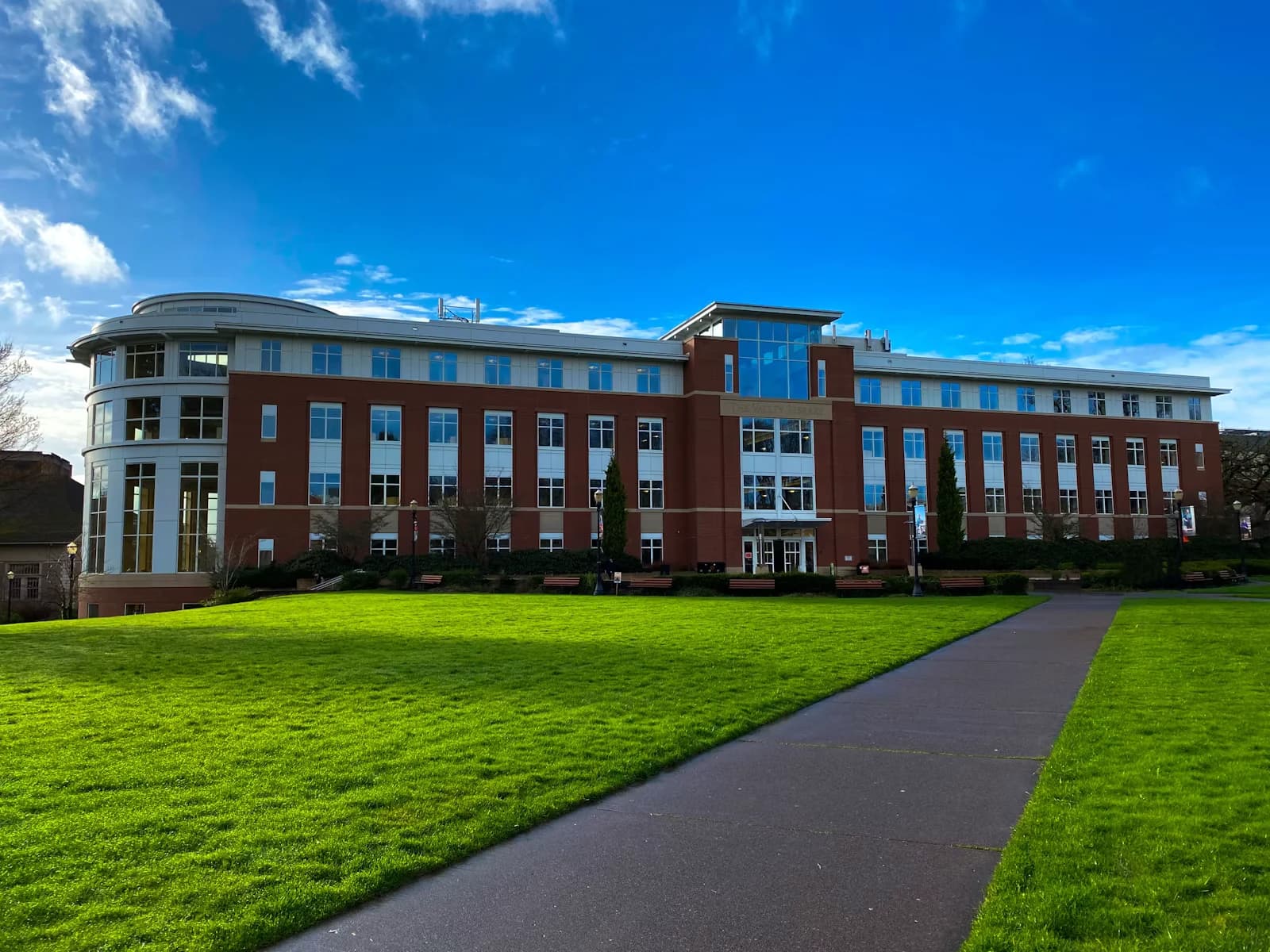
📍 Swift Current, Canada
No verified Canadian university named 'M Square' was found in reliable sources. The name does not correspond to any recognized public or private degree-granting institution in Canada, and it may be a typo, a private training business, or a non-existent entity. As a result, no reliable data are available for its establishment year, enrollment, acceptance rate, campus, or contact details. If you are referring to a specific Canadian college or university under a different name, please provide the correct name so that accurate information can be returned.

City University in Canada is a prominent institution known for its diverse academic programs and strong emphasis on research and innovation. Located in a vibrant urban setting, the university offers a wide range of undergraduate, graduate, and professional programs across various disciplines, including business, engineering, health sciences, and liberal arts. With a commitment to fostering a global perspective, City University attracts students from around the world, providing a dynamic and inclusive learning environment. The university is recognized for its state-of-the-art facilities, experienced faculty, and partnerships with industry leaders, ensuring students receive a well-rounded and practical education.

The King's University is a private, research university located in Edmonton, Alberta, Canada. Founded in 1990 with a mission to provide a Christ-centered education, the institution offers a wide range of academic programs and facilities to support its students.

📍 VANCOUVER, Canada
Alexander Academy is a prestigious private university located in Toronto, Canada. Established in 1990, the university is known for its strong academic programs, diverse student body, and vibrant campus life. Alexander Academy offers a wide range of undergraduate and graduate programs across various disciplines, including business, arts, sciences, and engineering. The university is committed to providing a holistic education that fosters critical thinking, creativity, and leadership skills.

The University of Toronto Mississauga (UTM) is a public research university located in Mississauga, Ontario, Canada. It is part of the University of Toronto system and offers a wide range of undergraduate and graduate programs. UTM is known for its strong focus on research and innovation, with numerous research centers and institutes. The university has a diverse student body and offers a variety of student services and facilities, including a library, sports complex, and student housing.

ATPII University in Canada is recognized for its strong emphasis on technology, innovation, and applied research. The university offers a range of undergraduate and graduate programs, particularly in engineering, computer science, and business. It is known for its industry partnerships and hands-on learning opportunities, preparing students for careers in rapidly evolving fields. The campus fosters a collaborative environment with modern facilities and a focus on entrepreneurship.
Aurora College is a public institution located in the heart of Canada. It is known for its comprehensive range of programs and its commitment to student success. The college offers a wide array of undergraduate and graduate programs across various disciplines, including business, health sciences, engineering, and the arts.

📍 BRITISH COLUMBIA, Canada
The British Columbia Institute of Technology (BCIT) is a public polytechnic institute based primarily in Burnaby, British Columbia, with additional campuses in Metro Vancouver. It focuses on applied education in technology, trades, business, health sciences, computing, engineering, and related professional fields, offering certificates, diplomas, apprenticeships, bachelor’s degrees, and some graduate credentials. BCIT is known for industry-aligned programs, hands-on labs, and strong employer connections across British Columbia. Its main Burnaby campus anchors a multi-campus network that includes downtown Vancouver, marine, and aerospace locations, serving a large mix of full-time, part-time, and continuing-education learners.

📍 Greater Sudbury, Canada
Cambrian College is a public college in Canada, offering a wide range of programs and courses in various fields such as business, health sciences, engineering, and technology. It is known for its practical, hands-on approach to education and has a strong focus on industry partnerships and work-integrated learning. The college has multiple campuses across Ontario and is committed to providing accessible and affordable education to students.
Canadian College for Higher Studies (CCHS) is a private post-secondary institution in Canada that offers career-oriented diploma and certificate programs for domestic and international students. Publicly available profiles typically describe it as a smaller private college rather than a large research university, with programming oriented toward business, technology, and professional skills pathways.

Canadian College of Technology and Business (CCTB) is a private career college based in Vancouver, British Columbia. It focuses on career-oriented diploma and certificate programs in areas such as business, technology, hospitality, and related professional fields, and serves both domestic and international students as a Designated Learning Institution (DLI) in Canada. CCTB emphasizes applied learning and industry-aligned training rather than traditional research-university degrees. Its programs are designed to prepare graduates for entry into the Canadian labour market, with campuses and delivery oriented around urban Vancouver learning environments.
📍 TORONTO, Canada
CASA Toronto is a college located in Toronto, Canada, specializing in various academic programs. It is known for providing educational opportunities in a dynamic urban setting. The institution focuses on offering a range of programs tailored to meet the needs of its diverse student body. It is a well-established institution that continues to serve the community with a commitment to academic excellence and student support.
Non-predictive planning guidance for Canada. This panel does not assess admission chances or rank universities. No program-specific requirements have been verified here.
Not verified here
Check the official program requirements for your qualification, grades and subject prerequisites.
Not verified here
Check accepted exams, overall and section requirements, result validity and exemptions. IELTS and PTE use different scales.
Not verified here
Confirm the program, campus, intake and current application deadline.
Not verified here
Verify tuition, program duration and living costs against your budget. Do not count unawarded scholarships as available funding.
Use the directory to explore options, then review current program evidence before deciding where to apply. Final eligibility and admission decisions are made by the institution.
Explore top student-friendly cities and their living costs
Planning prototype using the limited country-page dataset. Missing job, community, and immigration evidence is shown explicitly.
| Average rent | CAD 2,300/mo | CAD 2,100/mo |
|---|---|---|
| Best for | Finance, Tech, Business | Film, Tech, Sciences |
| Part-time job availability | Needs current local evidence | Needs current local evidence |
| Indian community | Check campus societies and neighborhoods | Check campus societies and neighborhoods |
| Immigration/job outlook | Needs occupation-specific evidence | Needs occupation-specific evidence |
Some universities in Canada may waive IELTS when the student has strong English-medium education proof, alternate tests such as PTE/TOEFL/Duolingo, or university-specific English assessments. Waivers are university-specific, so students should not assume every programme accepts a no-IELTS route.
The safest strategy is to shortlist universities by course first, then verify English waiver rules, visa acceptability, and scholarship impact. A low English score can sometimes be offset by a pathway or pre-sessional English programme, but it may increase visa or admission complexity.
MBBS in Canada should be evaluated carefully against recognition, licensing pathway, clinical exposure, total cost, language of instruction, and the student’s plan to practise in India or abroad. Students must verify current NMC and local medical council requirements before applying.
For medical applicants, NexStudy recommends a separate licensing checklist before deposits are paid: degree recognition, internship rules, exam pathway, hospital rotations, language requirements, and total living cost over the full programme duration.
MS in Computer Science in Canada is usually strongest for students with a solid quantitative background, coding portfolio, internship experience, and interest in software, AI, data, cybersecurity, or cloud roles. ROI depends heavily on university tier, city, tuition, and job-search execution.
Students should compare curriculum depth, co-op/internship access, alumni hiring, local tech clusters, and post-study work rules. A lower-cost university with strong employability can outperform a high-fee option with weak career support.
An MBA in Canada is best suited for students with clear career goals, leadership evidence, strong communication skills, and preferably work experience. Freshers should compare specialised business master’s degrees before choosing a general MBA.
The best MBA outcomes usually come from schools with strong employer networks, internships, career coaching, alumni access, and location advantage. Applicants should calculate ROI using tuition, living cost, opportunity cost, and realistic post-MBA salary ranges.
Engineering in Canada can be a strong pathway when the student chooses a discipline linked to local industry demand, such as computer, mechanical, civil, electrical, renewable energy, robotics, or biomedical engineering. Accreditation and internship access matter as much as rankings.
Students should compare lab facilities, capstone projects, industry placement, co-op options, and post-study work eligibility. For regulated engineering roles, verify local professional registration requirements before finalising the course.
Compare student residences, shared apartments, commute time, and lease rules before paying deposits.
Look for campus Indian societies, grocery access, festivals, temples/community groups, and peer networks.
Start LinkedIn, internships, faculty networking, and portfolio work in the first semester, not after graduation.
A user-input planning model for Canada, not a salary forecast or financial recommendation.
Model assumptions: 60% of gross salary is available before loan payments, loan repayment spans study plus five years, and 10-year earnings ignore tax, inflation, exchange-rate changes, unemployment, and salary growth.
Check off items you've completed to see your visa readiness score
Prototype suggestions from fixed subject templates. Salary, eligibility, accreditation, and immigration outcomes are not verified here.
Difficulty: Moderate
Outcome: High salary potential
Budget: Good fit
Difficulty: High
Outcome: High salary potential
Budget: Good fit
Difficulty: Moderate
Outcome: High salary potential
Budget: Good fit
Marks are planning context only. Every recorded option stays visible; this prototype does not determine eligibility.
Amount: CAD 50,000 / year (doctoral)
Deadline: Institutional nomination
Level: PhD
Amount: CAD 70,000 / year
Deadline: Annual federal round
Level: Postdoc
Amount: CAD 1,000–20,000+
Deadline: Varies by province
Level: UG / PG
Template-based guidance only; no live university, visa, or policy sources are queried by this tool.
Yes, Indian students can pursue undergraduate programmes in Canada after completing their 12th standard. Most universities require a minimum of 60% marks in 12th, English proficiency (IELTS 6.0+), and valid financial documentation.
Popular undergraduate programmes include Engineering, Business, Computer Science, and Nursing. Some universities offer foundation year programs for students who do not meet direct entry requirements. Application deadlines vary by intake — check specific university pages on NexStudy for detailed eligibility.
Indian students typically need C$CAD 1,200–C$2,500 per year for tuition and living expenses, depending on the university, course, and city.
| Expense Category | Estimated Range |
|---|---|
| Rent (1BR City) | CAD 1,200-2,500/mo |
| Groceries | CAD 250-400/mo |
| Transport | CAD 90-150/mo |
| Internet | CAD 50-80/mo |
| Dining Out | CAD 15-30/meal |
Canada offers strong ROI for Indian students, especially in STEM and business fields. The Post-Graduation Work Permit (PGWP) (Up to 3 years) provides valuable work experience after graduation. Use the ROI Calculator above to calculate your personal return on investment.
| Hidden Cost | Why It Matters |
|---|---|
| Application and test fees | Multiple university applications, IELTS/PTE/TOEFL, score reporting, and courier costs add up. |
| Visa, medical, biometrics, insurance | These costs often come before the student receives the visa decision. |
| Housing deposit and setup | First month rent, bond/deposit, utensils, bedding, SIM, transport card, and winter clothing can be significant. |
| Course materials and placement costs | Software, lab kits, books, certification exams, and travel for interviews are often missed. |
| Expectation | Reality Check |
|---|---|
| Part-time job will cover everything | Part-time work can support expenses, but visa compliance and academic performance come first. |
| Any university will give the same outcome | Course quality, city, internships, alumni network, and career services change outcomes. |
| Visa is automatic after admission | Admission helps, but financial proof, intent, documentation, and compliance still decide the case. |
| PR is guaranteed after study | Settlement depends on changing immigration rules, occupation demand, salary, work experience, and language scores. |
The Post-Graduation Work Permit duration matches your study program length, up to a maximum of 3 years (for programs of 2+ years).
Yes — most international graduates use the Canadian Experience Class (CEC) under Express Entry after gaining 12 months of skilled Canadian work experience.
Most Canadian universities require IELTS 6.5 overall (no band below 6.0) for masters programs. Top universities like UofT, UBC, McGill expect 7.0+.
There are 328 active university profiles in Canada on NexStudy. Browse, filter and compare programs, fees, scholarships and admission requirements.
Most universities in Canada require IELTS 6.0–6.5 for undergraduate programs and 6.5–7.0 for master's programs. Top-tier universities may require 7.0+ overall.
Yes — universities in Canada offer merit-based and need-based scholarships, plus government-funded awards. NexStudy's scholarship finder matches you to relevant scholarships based on your profile.
Monthly living costs in Canada vary by city. Rent (1BR City): CAD 1,200-2,500/mo. Groceries: CAD 250-400/mo. Transport: CAD 90-150/mo. Internet: CAD 50-80/mo. Dining Out: CAD 15-30/meal.
Canada offers the Post-Graduation Work Permit (PGWP) with a duration of Up to 3 years. Completed programme of 8+ months at DLI.
You need the Study Permit. Application fee is CAD 150 with processing time of 4-16 weeks. Key documents include: Valid passport, Letter of Acceptance from DLI, Proof of funds: CAD 23,448 per year for one applicant outside Quebec; applications on or after 1 September 2026. Tuition and transportation are additional., and more.
The average annual cost of studying in Canada for Indian students ranges from ₹20-35 lakhs including tuition, accommodation, and living expenses. This includes university fees and basic living costs in cities like Toronto and Vancouver.
Most universities in Canada require an IELTS overall band score of 6.0 to 7.5 for admission. Top-ranked universities typically require 6.5 or higher. Indian students should aim for at least 6.5 overall with no band below 6.0 for the best chances.
Canada has over 96 accredited universities and colleges. Major student cities include Toronto, Vancouver, Montreal, Ottawa. NexStudy helps Indian students discover, compare, and apply to universities across Canada.
Yes, Canada is one of the most popular study abroad destinations for Indian students. The country offers quality education, post-study work visa options, and a welcoming environment for international students. NexStudy connects Indian students with free counseling to navigate admissions to Canada.
Indian students applying for a student visa to Canada typically need: a valid offer letter from a recognized university, proof of financial funds, English proficiency scores (IELTS/TOEFL), and a valid passport. NexStudy provides a complete visa guide with step-by-step instructions.
Get a free profile evaluation, personalized university shortlist, and expert visa guidance from our counselors.