Top MBA & Business Universities in Germany (2026)
MBA programs for Indian students — tuition, IELTS/GMAT, scholarships and post-study work in Germany. We rank 202 universities by QS standing, fees, scholarships and post-study work outcomes for international students.
Get a MBA & Business shortlist for Germany.
Share your phone or email and get matched MBA & Business universities, fee bands, scholarship options, and visa-risk checks before you compare rankings.
MBA & Business shortlist
For Germany applicants

Aalen University

Ansbach University of Applied Sciences
📍 Ansbach, Germany

Arden University – Berlin
📍 Berlin, Germany

Arden University Berlin
Aschaffenburg University of Applied Sciences
📍 Würzburger Str. 45, Germany
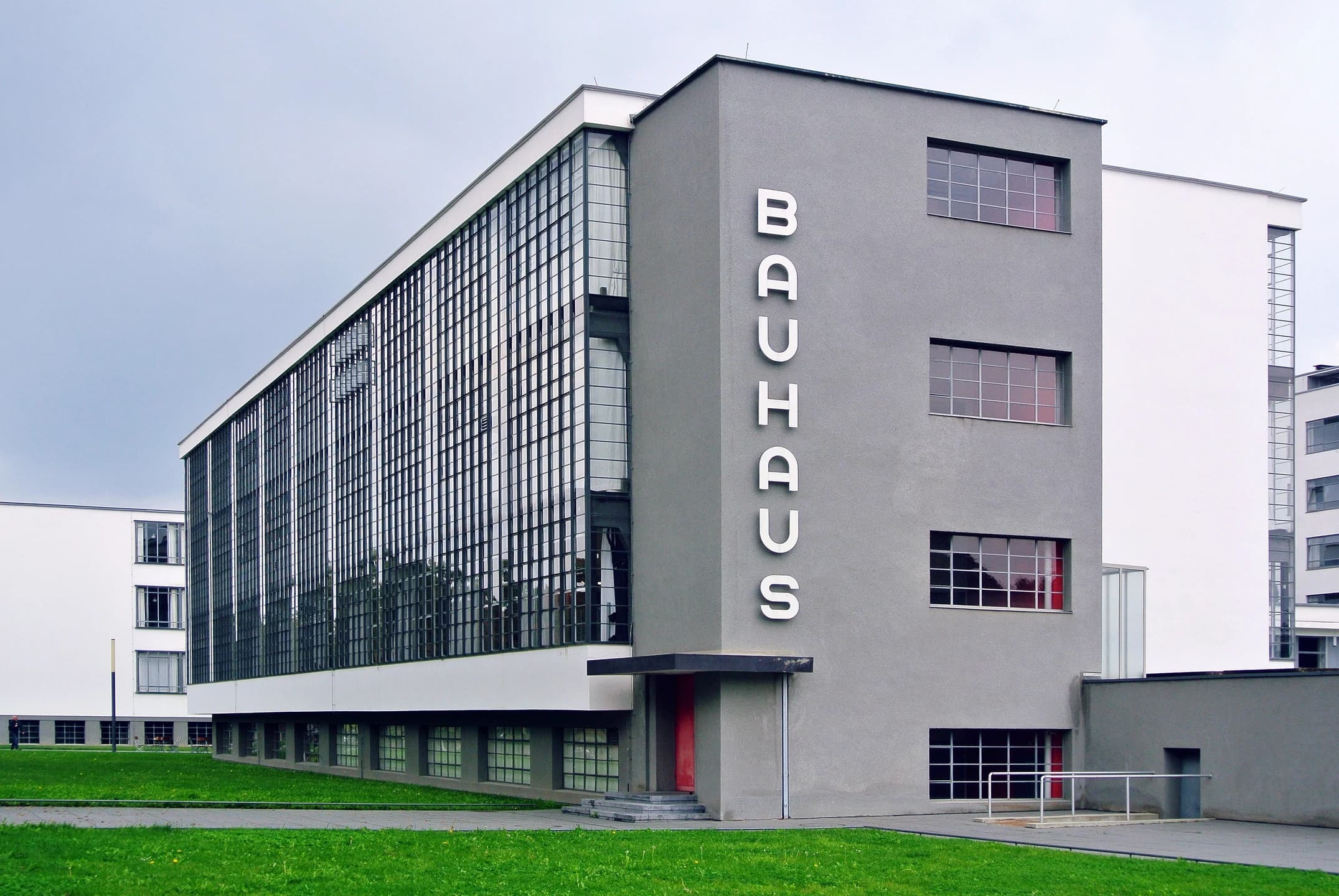
Bauhaus
📍 Dessau-Roßlau, Germany
BBW Hochschule

Berlin International College (BIC)

Berlin International University of Applied Sciences
📍 Berlin, Germany

Berlin School of Economics and Law
📍 Berlin, Germany

Bielefeld University
📍 Bielefeld, Germany
BIMM University - Germany
📍 Berlin, Germany
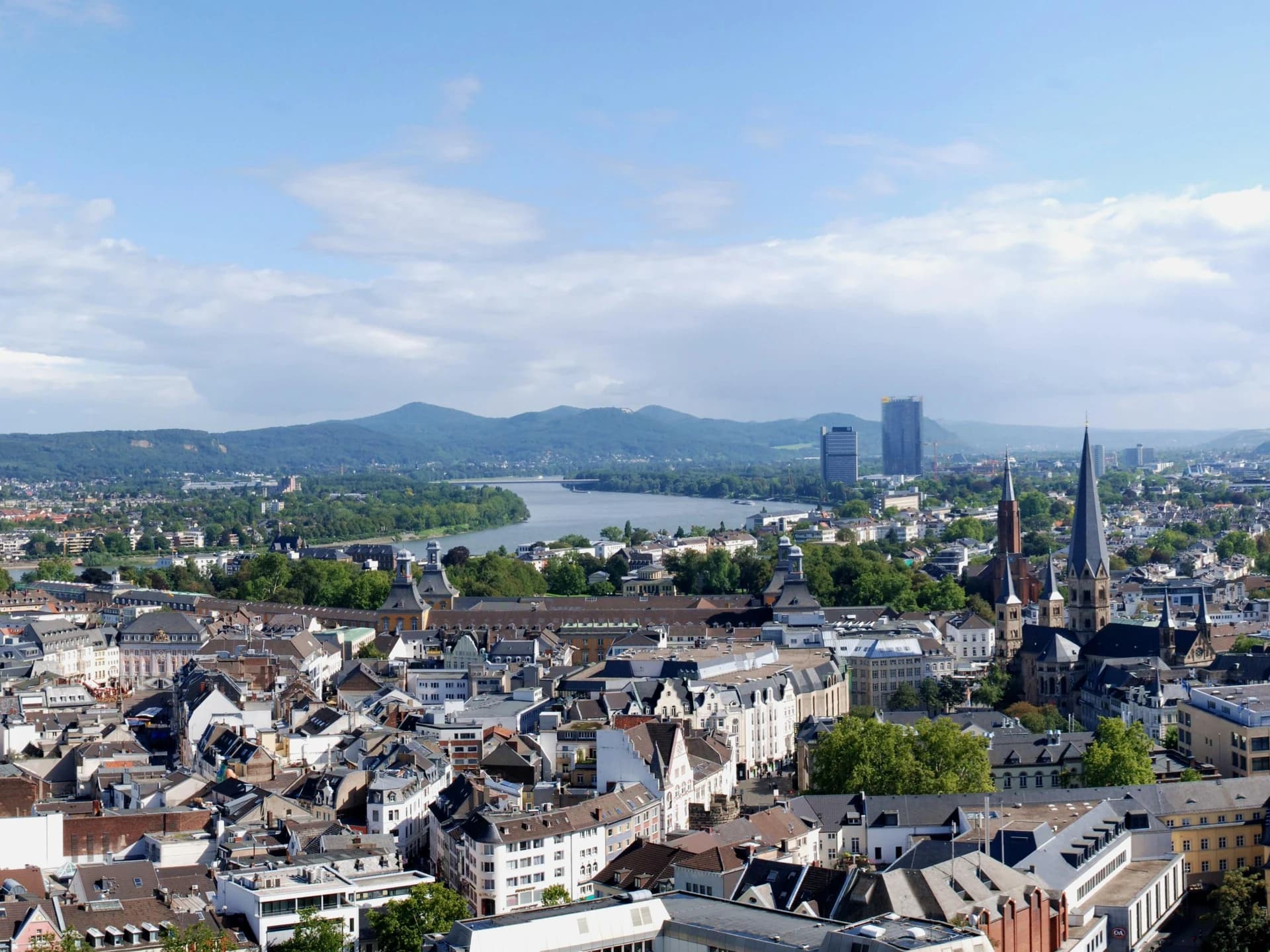
Bonn
📍 Cologne Government Region, Germany

Bonn Graduate School of Economics
📍 Bonn, Germany

Bucerius Law School
📍 Hamburg, Germany
CBS University of Applied Sciences – GERMANY
📍 Koln, Germany

Chemnitz University of Technology
📍 Chemnitz, Germany

Clausthal University of Technology
📍 Clausthal-Zellerfeld, Germany
Constructor University
📍 Bremen, Germany
Darmstadt University Of Applied Sciences - Hochschule Darmstadt

Deggendorf Institute of Technology
📍 Deggendorf, Germany

DIW Berlin
📍 Berlin, Germany

Dortmund University of Applied Sciences and Arts
📍 Dortmund, Germany

Dresden University of Technology
📍 Dresden, Germany

Eberswalde University for Sustainable Development
📍 Eberswalde, Germany
More top courses in Germany
A full-time MBA in Germany costs €42,000–50,000 in tuition at the four internationally accredited schools Indian applicants target: Frankfurt School €42,000 plus a €600 enrolment fee, Mannheim and WHU €49,500 each, and ESMT Berlin €50,000 for the January 2027 intake, which is about ₹46–55 lakh before scholarships and early-bird discounts of €1,000–6,000. Programmes run 12–15 months, require at least three years of work experience (class averages are around five) and, at Mannheim, a recommended GMAT Focus score of 565 or a GRE equivalent, and the same visa rules apply as for any German degree: APS certificate, proof that the first two semesters of tuition are paid, a €11,904 blocked account and a language certificate. Graduates get the 18-month job-search permit and, on a salary of €45,934.20 or more, an EU Blue Card.
Is an MBA in Germany worth it for Indian students?
The German MBA market is small and private. Unlike engineering or computer science, where tuition-free public universities dominate, the full-time MBAs that carry international accreditation and recruiter recognition are run by a handful of private or foundation-backed schools: Mannheim Business School, ESMT Berlin, Frankfurt School of Finance & Management, WHU – Otto Beisheim School of Management and HHL Leipzig. Their fees of €42,000–50,000 are half to two-thirds of a US or top-UK MBA, class sizes are 40–70, and the programmes finish in 12–15 months.
The case for Germany is the exit. Every graduate of a German degree is entitled to an 18-month job-search permit under Section 20 of the Residence Act, and MBA salaries in consulting, finance, automotive and technology comfortably clear the 2026 EU Blue Card threshold of €45,934.20 for recent graduates. Permanent residence follows after two years of qualified work, or 27 months on a Blue Card (21 with B1 German). No other MBA destination pairs a one-year programme with that kind of settlement clock.
The case against is language and market size. German corporate recruiting for MBAs is thinner than in London or New York, mid-sized companies expect German, and the visible "MBA in Germany for free" that agents advertise usually turns out to be an MSc in Management at a public university, a fine degree but a different product without the MBA brand or cohort. Indian applicants should decide which of the two they actually want before comparing fees.
MBA in Germany fees for Indian students: the accredited full-time programmes (2026–27)
Fees are those published on each school's page on 26 September 2026 for the next full-time intake. Early-bird discounts and scholarships are listed where the school publishes them.
| School / programme | Tuition (EUR) | Approx. INR | Duration and start | Published admissions notes |
|---|---|---|---|---|
| Frankfurt School — Full-time MBA | €42,000 + €600 enrolment fee | ₹46 lakh | 12 months; September; rolling admissions | Core 6 months, electives 3, thesis 3; student visa available |
| Mannheim Business School — Full-Time MBA | €49,500 (+ €150 application fee) | ₹54 lakh | 12–15 months; September 2027; up to 60 participants | GMAT Focus 565 or equivalent GRE recommended; €250 bonus for Focus 595+; early bird €3,000 (30 Nov) → €1,000 (30 Apr); scholarships up to €6,000 (need-based up to €9,500); €2,000 German language bonus |
| WHU — Full-Time MBA | €49,500 (all-inclusive incl. books, international-module accommodation, German classes) | ₹54 lakh | 12 months; September | APS applicants (India) deadline 30 April; visa applicants 31 May; early-bird €6,000 (30 Sep) to €3,000 (31 Mar); €10,000 e-fellows scholarship |
| ESMT Berlin — Full-time MBA | €50,000 (incl. books, materials, trips' study fees) | ₹55 lakh | January 2027 start; 15 months | Own admission test (BAT) available; €3,000 and other awards combinable; over-30s need private or voluntary health insurance |
| Public-university MSc in Management (alternative) | €0–1,500 per semester; TUM usually €4,000–6,000 per semester | ₹0–3.3 lakh a year; TUM up to ₹13 lakh a year | 2 years | Not an MBA; no work experience needed; same visa and post-study rules |
Sources: Frankfurt School, Mannheim Business School, WHU and ESMT Berlin programme and fee pages, read 26 Sep 2026; public-university fees from DAAD and TUM pages. €1 = ₹109. HHL Leipzig fees were not verifiable on its site on the day and are omitted.
MBA in Germany eligibility for Indian applicants: GMAT, experience and English
Each school publishes its own criteria; the rows summarise what their pages state and the visa rules that apply to every Indian applicant.
| Requirement | What the schools ask | Notes for Indian applicants |
|---|---|---|
| Bachelor's degree | Recognised first degree; any discipline | Three-year Indian BCom/BA/BSc is generally accepted for MBA admission; APS verifies it |
| Work experience | Minimum 3 years of post-graduate work experience at Mannheim, Frankfurt School and ESMT; WHU class average about 5 years | Fresh graduates are directed to MSc in Management programmes instead |
| GMAT / GRE | Mannheim: GMAT Focus Edition 565 or an equivalent GRE score recommended, with a €250 bonus for Focus 595+ (or GRE equivalent); ESMT: GMAT, GRE or its own BAT test; others accept GMAT/GRE or school tests | Take the GMAT Focus Edition; strong scores also support scholarship applications |
| English | IELTS 7.0 or TOEFL iBT 90–95 typical | The German missions in India expect C1 proof; PTE and Duolingo are not recognised for the visa in India |
| APS certificate | Required for the visa; WHU sets an earlier 30 April deadline for APS applicants from India | Start APS 4–6 months before the school deadline |
| Interview and essays | All schools interview shortlisted candidates, usually online | Expect questions on post-MBA plans in Germany or Europe |
| Proof of funds for the visa | €11,904 blocked account plus proof that the first two semesters of tuition are paid | The German missions in India require proof that the first two semesters of tuition fees have been paid; keep the school's invoice and your payment receipt for the visa file |
| German language | Not required for admission; WHU includes German classes and subsidises Goethe courses up to €550 each | B1 shortens the Blue Card route to permanent residence to 21 months |
Sources: Mannheim admissions page, WHU fees and financing page, ESMT tuition and admissions pages, Frankfurt School programme page, German Missions in India, read 26 Sep 2026. Experience and English figures other than Mannheim's published GMAT numbers are the typical ranges the schools state.
How to apply for an MBA in Germany from India: timeline for a September 2027 start
Business-school deadlines run in rounds from autumn to spring, and the Indian-specific APS step pushes everything earlier. WHU's 30 April cut-off for APS applicants is the practical benchmark.
June–August 2026: GMAT or GRE and English test
Aim for GMAT Focus 595+ (or the GRE equivalent) to qualify for the €250 bonus Mannheim publishes, and IELTS 7.0 or TOEFL 95 in a test centre so the certificate is under a year old at the visa stage and meets the C1 level the missions in India describe.
September–October 2026: apply for the APS certificate
Courier your degree and marksheets to APS India; business and management applicants may need the dMAT before the certificate is issued. WHU requires the certificate by 30 April, so this cannot wait for admission.
September–November 2026: first-round applications
WHU's 30 September early bird is worth €6,000 and 30 November €5,000; Mannheim's 30 November early bird €3,000. Submit CV, essays, transcripts, test scores, two references and pay the €150 Mannheim application fee where applicable.
October 2026–March 2027: interviews and offers
Online interviews follow within weeks of each round. Offers are conditional on documents and a deposit; scholarship decisions often come with the offer.
March–May 2027: pay the deposit and first semesters
The German missions in India want proof that the first two semesters of tuition are paid, so schedule the transfer under the RBI Liberalised Remittance Scheme and check TCS treatment with your bank. Education loans from Indian lenders and international lenders such as Prodigy Finance or MPOWER-type providers are common for these schools; WHU's income-share fund is limited to EU, UK, US and Canadian students.
April–June 2027: blocked account and insurance
Deposit €11,904 with the mission as beneficiary. Over-30s cannot join student public health insurance (ESMT notes this explicitly) and need private or voluntary statutory cover from the arrival date.
May–July 2027: visa in the Consular Services Portal
Upload APS, admission, tuition receipts, blocked-account confirmation, language certificate, insurance, CV and motivation letter; attend the VFS appointment; allow six to eight weeks. WHU's 31 May deadline for visa applicants reflects this timeline.
August–September 2027: relocate and start
Book housing early (Berlin rooms €400–800, Frankfurt and Mannheim similar), register your address, convert the visa to a residence permit, and start the job search with the careers office in month one.
MBA in Germany: scholarships, discounts and financing Indian applicants use
- Early-bird rounds are the largest discount most applicants get: WHU €6,000 (30 September) falling to €3,000 (31 March); Mannheim €3,000 (30 November) falling to €1,000 (30 April).
- Merit scholarships: Mannheim's scholarships in seven categories (Growth & Scale, Finance, Consulting, German, Eastern Europe and Future Female Business Leader, each up to €6,000, plus the need-based Distinguished Talent Scholarship up to €9,500; one scholarship per applicant), WHU's €10,000 e-fellows partial scholarship and its Developing Countries, Women in Business and Entrepreneurship scholarships, ESMT's combinable awards including a €3,000 achievement award.
- GMAT-linked bonus: Mannheim grants €250 for a GMAT Focus Edition score of 595 or above (or an equivalent GRE score); strong scores can also support scholarship applications at the other schools.
- German-language incentives: WHU includes weekly German classes in tuition and subsidises up to three Goethe-Institut courses at up to €550 each; Mannheim gives a €2,000 German language bonus for B1 German or higher.
- Loans: Indian banks lend against MBA admissions to these schools, usually with collateral above a threshold; NBFC and international lenders (Prodigy Finance, MPOWER-type providers) offer non-collateral loans for accredited programmes; WHU lists UK lender Lendwise for international applicants case by case. Compare all-in cost after moratorium interest, not the headline rate.
- What does not work: DAAD study scholarships require tuition-free programmes and are therefore unavailable for these MBAs; the Deutschlandstipendium (€300 a month) is available only where the school participates.
- Tax: WHU notes that in Germany MBA tuition, semester fees, materials and relocation can under certain conditions be treated as anticipated income-related expenses against later German income; take advice once you have a German job.
Jobs after an MBA in Germany: the 18-month permit, salaries and the Blue Card
Section 20 of the Residence Act entitles every graduate of a German programme, including a private-school MBA, to a residence permit of up to 18 months to find a job matching the qualification. Schools report most of their class placed within three months of graduation; Frankfurt School publishes a three-month placement figure on its programme page, and the German MBA job market concentrates in consulting, corporate finance, automotive and industrial strategy roles, technology product management and start-ups in Berlin and Munich.
Salary is what decides the residence title. In 2026 the EU Blue Card requires €50,700 a year, or €45,934.20 for graduates whose degree is less than three years old, which covers every fresh MBA. Consulting and finance offers to MBA graduates in Germany typically exceed both thresholds; a first job below the lower threshold still qualifies for the Section 18b skilled-worker permit. Either way the settlement permit arrives after two years of qualified work for German graduates, or after 27 months on a Blue Card, 21 with B1 German.
For Indian applicants the practical difference from a UK MBA is duration of the runway: 12–15 months of study plus up to 18 months of search, and a permanent-residence clock that starts on the first work contract rather than after years of visa renewals. The trade-off is that German recruiters outside the big consultancies expect at least B1 German within a year of hiring; the schools' included language classes are worth using from week one.
Decide between an MBA and a tuition-free MSc before comparing schools
Frequently asked questions
How much does an MBA in Germany cost for Indian students?
The accredited full-time MBAs cost €42,000–50,000 in tuition: Frankfurt School €42,000 plus €600 enrolment, Mannheim and WHU €49,500 each, and ESMT Berlin €50,000 for January 2027. That is about ₹46–55 lakh before early-bird discounts of €1,000–6,000 and scholarships, plus roughly €12,000–15,000 for a year of living costs.
Is GMAT required for an MBA in Germany?
Most schools ask for GMAT or GRE. Mannheim recommends a minimum GMAT Focus Edition score of 565, or an equivalent GRE score, and grants a €250 bonus for a Focus score of 595 or above. ESMT accepts its own two-hour online admission test as an alternative. Strong scores can also support scholarship applications.
Can I do an MBA in Germany without work experience?
Not at the accredited full-time MBAs, which require at least three years of post-graduate experience (class averages are around five) and interview for it. Fresh graduates should look at MSc in Management programmes at public universities, which cost €0–1,500 a semester, take two years, need no experience and lead to the same 18-month job-search permit and Blue Card route.
Is an MBA in Germany free at public universities?
No. Public universities rarely run full-time MBAs; the tuition-free programmes advertised as "free MBA" are MSc in Management or business master's degrees, which cost only the €70–430 semester contribution (or €1,500 a semester in Baden-Württemberg and usually €4,000–6,000 a semester at TUM). Accredited MBAs are at private or foundation schools charging €42,000–50,000.
What are the visa requirements for an MBA in Germany from India?
The same as any German degree: an APS certificate for your Indian qualifications, an admission letter, a language certificate at roughly C1, a €11,904 blocked account and health insurance. Because the schools charge tuition, the German missions in India also require proof that the first two semesters are paid before the visa appointment. Allow six to eight weeks.
What is the post-study work visa after an MBA in Germany?
Section 20 of the Residence Act grants a residence permit of up to 18 months to look for a job matching your degree. A qualified job then leads to a skilled-worker permit or an EU Blue Card, whose 2026 threshold is €45,934.20 for graduates within three years of their degree, and to a settlement permit after two years of work.
Which is the best MBA college in Germany for Indian students?
The four schools Indian applicants shortlist most are Mannheim Business School (€49,500, 12–15 months), ESMT Berlin (€50,000, January start), WHU (€49,500 all-inclusive, strong entrepreneurship track) and Frankfurt School (€42,000, finance focus). Choose on target sector and city: Frankfurt for finance, Berlin for technology and start-ups, Mannheim and WHU for consulting and industry.
What English score do I need for an MBA in Germany?
Schools typically ask for IELTS 7.0 or TOEFL iBT 90–95, and the German missions in India expect C1-level proof for the visa, which IELTS 7.0 satisfies. Take the test in a centre within a year of the visa appointment; PTE, Duolingo and TOEFL Home Edition are not recognised for visa applications in India even where a school accepts them.
Official sources used on this page
- Mannheim Business School — Full-Time MBA: €49,500, 12–15 months, up to 60 participants, September 2027 — Mannheim Business School · checked 26 September 2026
- Mannheim Business School — Full-Time MBA admissions: €150 application fee, GMAT Focus 565, early-bird rounds, scholarships and bonuses — Mannheim Business School · checked 26 September 2026
- ESMT Berlin — Full-time MBA tuition and financing: €50,000 for January 2027; Berlin living costs — ESMT Berlin · checked 26 September 2026
- ESMT Berlin — Full-time MBA programme: 15 months, January start — ESMT Berlin · checked 26 September 2026
- Frankfurt School of Finance & Management — Full-time MBA: €42,000 + €600 enrolment fee, 12 months, rolling admissions — Frankfurt School of Finance & Management · checked 26 September 2026
- WHU – Otto Beisheim School of Management — Full-Time MBA fees and financing: €49,500, APS deadline 30 April, early-bird discounts — WHU – Otto Beisheim School of Management · checked 26 September 2026
- German Missions in India — Visa for studies: APS, blocked account €11,904, tuition paid for private universities — Federal Foreign Office, German Missions in India · checked 26 September 2026
- German Missions in India — National visa FAQs: first two semesters of tuition must be paid — Federal Foreign Office, German Missions in India · checked 26 September 2026
- Residence Act (AufenthG) Section 20 — 18-month job search after graduation — Federal Ministry of Justice, gesetze-im-internet.de · checked 26 September 2026
- Make it in Germany — EU Blue Card thresholds 2026 (€50,700 / €45,934.20) — Federal Government portal for skilled workers · checked 26 September 2026
- TUM — Tuition fees: master's programmes for non-EU students usually €4,000 or €6,000 per semester — Technical University of Munich (TUM) · checked 26 September 2026
- DAAD — Finances: living costs and proof of funds — German Academic Exchange Service (DAAD) · checked 26 September 2026
- Wise — EUR to INR mid-market rate — Wise · checked 26 September 2026
Ready to study in MBA & Business in Germany?
Get a free profile evaluation, personalized university shortlist, and expert visa guidance from our counselors.