Top Engineering Universities in Germany (2026)
Top universities for Mechanical, Electrical, Civil and Robotics engineering masters in Germany. We rank 157 universities by QS standing, fees, scholarships and post-study work outcomes for international students.
Get a Engineering shortlist for Germany.
Share your phone or email and get matched Engineering universities, fee bands, scholarship options, and visa-risk checks before you compare rankings.
Engineering shortlist
For Germany applicants

Aalen University

Ansbach University of Applied Sciences
📍 Ansbach, Germany

Arden University Berlin
Aschaffenburg University of Applied Sciences
📍 Würzburger Str. 45, Germany
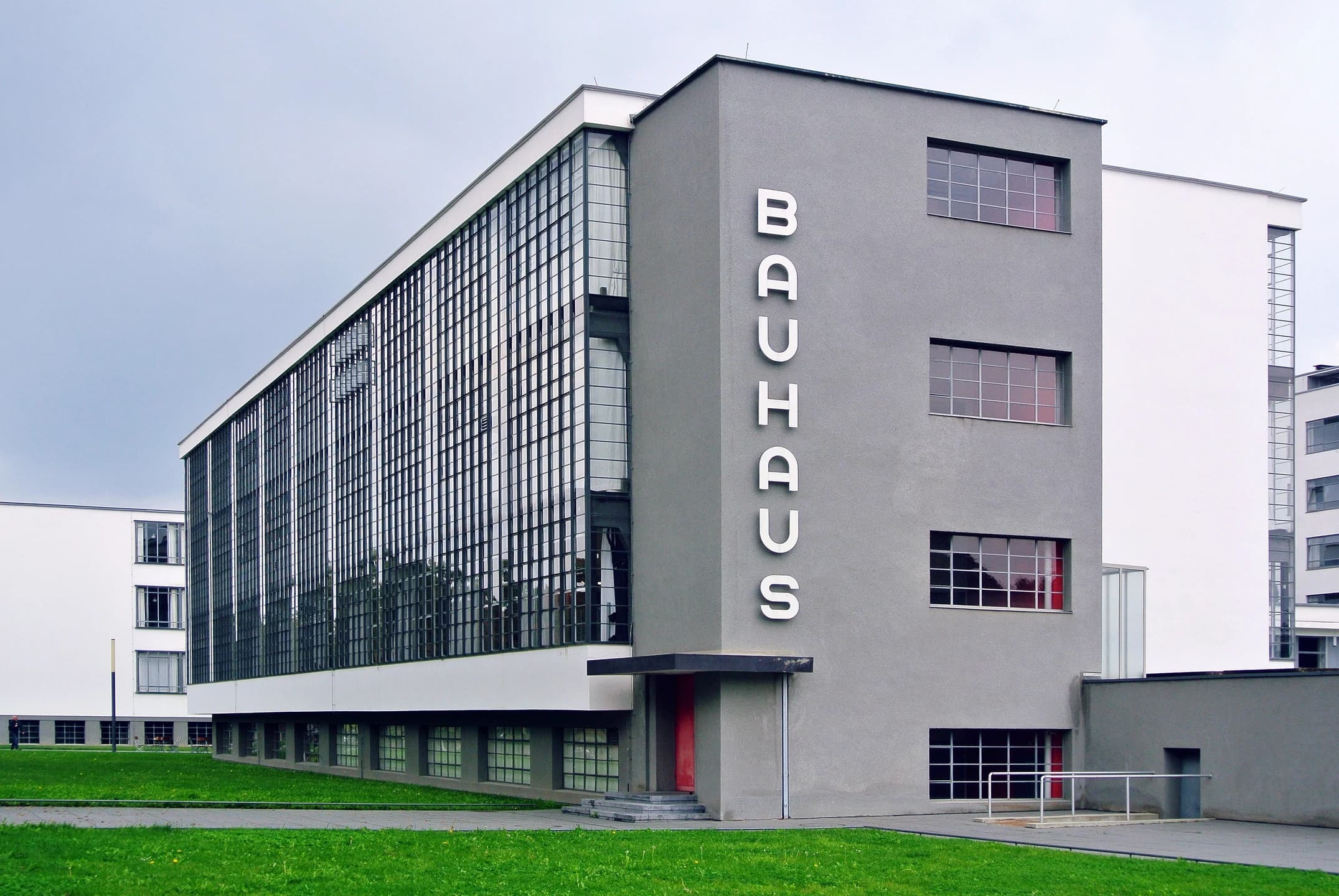
Bauhaus
📍 Dessau-Roßlau, Germany

BBW Hochschule

Berlin School of Economics and Law
📍 Berlin, Germany

Berliner Hochschule für Technik
📍 Berlin, Germany
BIMM University - Germany
📍 Berlin, Germany
Bonn
📍 Cologne Government Region, Germany

Brandenburg University of Technology
📍 Cottbus, Germany
BSc (First Year – direct entry)
Chemnitz University of Technology
📍 Chemnitz, Germany
Clausthal University of Technology
📍 Clausthal-Zellerfeld, Germany
Constructor University
📍 Bremen, Germany
Darmstadt University Of Applied Sciences - Hochschule Darmstadt

Deggendorf Institute of Technology
📍 Deggendorf, Germany
Dortmund University of Applied Sciences and Arts
📍 Dortmund, Germany

Dresden University of Technology
📍 Dresden, Germany

Eberswalde University for Sustainable Development
📍 Eberswalde, Germany
EBS UNIVERSITAT
📍 Oestrich-Winkel, Germany

EIIE EURASIA Institute for International Education GmbH
📍 Berlin, Germany

Esslingen University of Applied Sciences
📍 Esslingen am Neckar, Germany
EURASIA INSTITUTE FOR INTERNATIONAL EDUCATION (EIIE)
📍 BERLIN, Germany

European School of Management and Technology
📍 Berlin, Germany
More top courses in Germany
An MS in engineering in Germany has no tuition at most public universities (RWTH Aachen, TU Hamburg, TU Darmstadt, Kassel, Siegen, Magdeburg, Rostock), only a semester contribution of about €310–390 (₹34,000–43,000). The Technical University of Munich charges non-EU students €6,000 a semester (about ₹6.5 lakh) and Baden-Württemberg €1,500 (about ₹1.64 lakh), so two years cost about ₹25–33 lakh at a tuition-free university and ₹53–58 lakh at TUM. Indian BE and BTech graduates now also need the dMAT test (€150, about ₹16,400) for summer semester 2027 applications and later, many mechanical and electrical masters are German-taught, and the Federal Employment Agency reports shortages only in construction management, civil works and building services.
Is an MS in engineering in Germany worth it for Indian students?
The case rests on cost and on the industry around the campuses. At RWTH Aachen, TU Hamburg, TU Darmstadt, Kassel, Siegen, Magdeburg, Rostock and Dortmund the master's carries no tuition, only a semester contribution of about €310–390 (₹34,000–43,000) that usually includes a public-transport ticket. Where tuition exists it is predictable: €1,500 a semester (about ₹1.64 lakh) in Baden-Württemberg and, at TUM, €4,000 (about ₹4.4 lakh) or €6,000 (about ₹6.5 lakh) depending on the programme. The visa needs one number, €11,904 in a blocked account (about ₹13.0 lakh), and a graduate may stay up to 18 months to find a job that fits the degree.
The case against is language and a cooler job market. Several well-known engineering masters are German-taught or bilingual: TUM's electrical engineering master requires German for admission, TU Darmstadt's civil engineering master needs 42 credits in German, and RWTH calls its Automotive Engineering master the only English-taught programme among its many public mechanical engineering masters. The Federal Employment Agency also reports that engineering job postings fell in 2025 and engineering unemployment rose. Treat the degree as a strong, low-cost entry ticket, not an outcome.
Which German universities offer an MS in engineering in English, and what do they charge?
These ten programmes were read on DAAD International Programmes or the university page on 26 September 2026. Fees apply to non-EU students such as Indians; every programme also charges the semester contribution. Deadlines are for winter-semester entry unless a row says summer; confirm the dates for your year on the university page before you plan.
| University and programme | Tuition per semester | Semester fee | Language of study and proof | Duration, deadline and key requirement |
|---|---|---|---|---|
| RWTH Aachen, M.Sc. Automotive Engineering | €0 | about €350 (≈ ₹38,200), Germany-wide ticket | English only; IELTS 6.0 or TOEFL 90 (B2) | 3 semesters; non-EU apply 1 Dec–1 Mar; GRE General required (Verbal 145, Quant 160, Writing 3); no minimum GPA |
| TU Hamburg, M.Sc. Mechanical Engineering and Management | €0 | about €390 (≈ ₹42,500) | English and German courses; C1 (IELTS 6.5 listed) | 4 semesters; winter start; apply until 1 March; very good prior grades |
| TU Darmstadt, M.Sc. Aerospace Engineering | €0 | about €380 (≈ ₹41,400), Deutschlandticket included | Can be studied 100% in English; C1 | 4 semesters; winter and summer; bachelor in mechanical or aerospace engineering |
| TH Lübeck, M.Sc. Mechanical Engineering (university of applied sciences) | €0 | about €380 (≈ ₹41,400) | English-taught; German A2 at application, B1 expected | 3 semesters (90 ECTS); bachelor with 210 ECTS and grade 2.5, conditional with 180 ECTS |
| University of Kassel, M.Sc. Electrical Communication Engineering | €0 | €391.27 (≈ ₹42,600), summer 2026 | English 100%; B2 (IELTS 5.5) | 4 semesters; foreign certificates apply 1 Mar–15 Jul for winter |
| University of Siegen, M.Sc. Electrical Engineering | €0 | about €372 (≈ ₹40,500) | English; B2 | 4 semesters; winter only; apply until 30 April; six-semester bachelor in a related field |
| University of Magdeburg, M.Sc. Electrical Engineering and IT | €0 | €311.30 (≈ ₹33,900) | English only; B2 | 4 semesters; winter; apply until 15 July; minimum grade 2.0 on the German scale |
| University of Rostock, M.Sc. Electrical Engineering | €0 | €333 (≈ ₹36,300) | English; C1 | 4 semesters; winter 1 Apr–31 May; CGPA 85% or higher, 24 credit points in maths and 6 in theoretical electrical engineering |
| TU Dortmund, M.Sc. Automation and Robotics | €0 | about €320 (≈ ₹34,900), summer 2026 | English can be 100%; C1 | 4 semesters; non-EU winter window 1 Jan–15 May (summer window 1 Nov–15 Jan); maths and computer-systems credits checked |
| TUM, M.Sc. Mechanical Engineering and Civil Engineering | €6,000 (≈ ₹6.5 lakh) | €97 (≈ ₹10,600), Munich and Garching | Mechanical: German or English route; Civil: German or English, IELTS 6.5 | 4 semesters; Mechanical and Civil winter 1 Apr–31 May (Civil summer 2027 window 1 Nov 2026–15 Jan 2027); aptitude assessment via uni-assist file |
Sources: DAAD International Programmes entries for RWTH, TU Hamburg, TU Darmstadt, TH Lübeck, Kassel, Siegen, Magdeburg, Rostock, Dortmund and TUM Civil; TUM Mechanical Engineering page and TUM fee pages, read 26 Sep 2026. €1 = ₹109 (Wise mid-market rate, 26 Sep 2026). "About" marks amounts the university gives as approximate. TUM's electrical engineering master requires German and is not listed above.
How much does an MS in engineering in Germany cost in rupees?
Costs depend on the fee regime and on whether the master's is 3 or 4 semesters. Living costs use the DAAD band of €900–1,200 a month; the blocked account is proof of funds you then spend, not an extra fee.
| Cost item | EUR | Approx. INR | Notes |
|---|---|---|---|
| Tuition, tuition-free universities | €0 | ₹0 | RWTH, TU Hamburg, TU Darmstadt, Lübeck, Kassel, Siegen, Magdeburg, Rostock, Dortmund |
| Tuition, TUM, 4 semesters | €24,000 | ₹26.2 lakh | €6,000 per semester; waivers and the €500–1,800 (≈ ₹54,500–1.96 lakh) per semester grant are separate applications |
| Tuition, Baden-Württemberg, 4 semesters | €6,000 | ₹6.5 lakh | €1,500 per semester (DAAD Finances page) |
| Semester contributions, 4 semesters | €1,245–1,565 | ₹1.4–1.7 lakh | Magdeburg lowest (€311.30), Kassel highest (€391.27) |
| Living costs, 24 months (DAAD band) | €21,600–28,800 | ₹23.5–31.4 lakh | Average student spend in the 2023 survey was €876 a month |
| Blocked account for the visa | €11,904 per year | ₹13.0 lakh | €992 a month; spent on living costs |
| dMAT test fee | €150 | ₹16,400 | Paid to g.a.s.t. when registering |
| Total, tuition-free university, 4 semesters | ≈ €22,850–30,370 | ≈ ₹25–33 lakh | Before part-time income and flights |
| Total, tuition-free 3-semester master's (RWTH, Lübeck) | ≈ €17,250–22,740 | ≈ ₹19–25 lakh | 18 months of living costs plus three semester fees |
| Total, TUM at €6,000 a semester | ≈ €48,400–53,200 | ≈ ₹53–58 lakh | Tuition €24,000 plus €388 semester fees and Munich living costs of at least €1,000 a month |
Sources: DAAD finances page and DAAD programme entries; TUM tuition and fee pages; APS India dMAT page; German Missions in India, read 26 Sep 2026. €1 = ₹109. Totals are our arithmetic on those figures; check bank exchange rates and remittance charges.
What do German universities ask from an Indian BE or BTech graduate?
Each department publishes its own regulation, so this is the pattern across the pages read on 26 September 2026, not a promise of eligibility. Transcripts are read subject by subject.
| Requirement | What the official pages say | What it means for you |
|---|---|---|
| Degree | RWTH Automotive: it refers to a seven-semester mechanical engineering bachelor's. Lübeck: 210 ECTS, or 180 ECTS conditionally. Siegen: six semesters in electrical engineering or a related field. Kassel and Rostock: 180 credits | A four-year BE/BTech in the matching branch fits all of them; a branch switch (for example civil to mechanical) usually triggers conditions |
| Subject content | RWTH Automotive lists credit points for mechanics, machine design, thermodynamics, heat transfer, materials, control, fluids and maths; gaps up to 30 CP become enrolment conditions, above 30 CP it rejects | Match your semester subjects to the module list before paying application fees |
| Grades | Magdeburg: 2.0 on the German scale. Lübeck: 2.5. Rostock: CGPA 85% or higher. RWTH Automotive: no minimum GPA and no ranking of applicants | Ask each university which grade-conversion formula it applies; aim well above first class for Magdeburg and Rostock. The pages read state no backlog rule, so clear backlogs before applying and ask the department |
| GRE | RWTH Automotive: GRE General mandatory for non-EU applicants (Verbal 145, Quant 160, Writing 3). Other programmes read do not list it | Book GRE General only if RWTH is on your list |
| English | B2 at RWTH, Kassel, Siegen, Magdeburg; C1 at TU Darmstadt, Rostock, Dortmund, TU Hamburg and TUM Civil. German Missions in India expect C1-level proof for the visa and do not recognise Duolingo, PTE or TOEFL Home Edition | Take IELTS Academic at 6.5–7.0 so one score serves admission and visa |
| German | Not needed at RWTH Automotive, TU Hamburg, TU Darmstadt Aerospace, Kassel, Siegen, Magdeburg, Rostock, Dortmund; A2 for Lübeck; German or English at TUM Mechanical; German at TUM Electrical | Learn at least A2 before you fly: the thesis often sits in a German company |
| APS and dMAT | APS certificate is part of the student-visa file; the dMAT is added for Engineering degrees from the summer semester 2027 intake | See the dMAT box below |
Sources: DAAD programme entries, TUM pages, APS India dMAT page and fields list, German Missions in India, read 26 Sep 2026.
New in 2026: Engineering graduates now take the dMAT before the APS certificate
How to apply for an MS in engineering in Germany from India: timeline for the winter semester 2027
TU Hamburg closes on 1 March and RWTH Automotive on 1 March for non-EU applicants, so a student finishing a BTech in 2027 should begin in autumn 2026.
October 2026: shortlist by module match and language
Use the DAAD International Programmes database and each admission regulation. Mix a reach (RWTH, TUM), solid choices (TU Hamburg, TU Darmstadt, Dortmund) and safer options (Kassel, Siegen, Magdeburg). Rule out programmes that require German you cannot reach.
October–December 2026: register for APS and the dMAT
Send marksheets and degree to APS India and register for the dMAT with g.a.s.t. once a date is published. APS lets you submit documents first and add the dMAT certificate later.
November 2026–January 2027: IELTS Academic and, if needed, GRE
Aim for 6.5–7.0 overall so the certificate covers C1-level visa proof. Sit the GRE General only for RWTH Automotive (Verbal 145, Quant 160, Writing 3 minimum).
1 December 2026–1 March 2027: RWTH Automotive and TU Hamburg
RWTH accepts non-EU applications from 1 December to 1 March; TU Hamburg closes on 1 March. Prepare a CV, transcripts, module descriptions and a motivation letter.
1 January–31 May 2027: Dortmund, Kassel, Rostock and TUM
Dortmund takes non-EU winter applications from 1 January to 15 May, Kassel opens for foreign certificates on 1 March (until 15 July), Rostock, TUM Mechanical and TUM Civil run 1 April–31 May, Siegen closes on 30 April and Magdeburg on 15 July. TUM and several others expect a uni-assist preliminary documentation (VPD) first.
June–August 2027: offers, blocked account and visa
Open the €11,904 (about ₹13.0 lakh) blocked account, arrange health insurance and apply on the Consular Services Portal. Upload APS, admission letter, language certificate, CV and motivation letter, then attend the VFS appointment.
September–October 2027: arrive and enrol
Lectures usually start in October. Register your address, enrol and apply for the Section 16b residence permit before the visa expires.
Is a German engineering degree accredited and recognised?
German engineering programmes are accredited by agencies, not ranked by a single national body. ASIIN, the accreditation agency for engineering, computer science, natural sciences and mathematics, awards its own seal and, in addition, the EUR-ACE label (European Accredited Engineer) for engineering programmes; ASIIN says it is authorised to award it until 31 December 2028. ENAEE, the European network that authorises agencies to award the label, says that agencies signing its EUR-ACE Accord accept each other's accreditation decisions for bachelor's and master's programmes, and that it does not accredit programmes itself. Check whether your target programme displays a seal on its own page or in the EUR-ACE database.
For jobs in India after the degree, recognition is decided by Indian employers and regulators, not by German accreditation. If you plan to return, ask your target employer or the relevant Indian body how they treat a German master's before you commit, and keep your transcripts, module descriptions and thesis abstract in English.
What does the official labour-market data say about engineering jobs in Germany in 2026?
The Federal Employment Agency (Bundesagentur für Arbeit, BA) publishes the most reliable figures. They show a large, well-paid but cooling engineering market, with a rise in unemployment in 2025.
| Indicator (Germany, 2025) | Latest figure | What it tells an applicant |
|---|---|---|
| Engineers in employment | about 1.9 million people with an engineering degree; about 1.16 million engineers in social-insurance jobs (+0.4%) | A very large market, growing only slightly |
| Engineering unemployment rate | 4.2% (up 0.7 points), above the 3.3% rate for all graduates | Graduates face more competition than before |
| Vacancies registered with the BA | 18,000 on average (down 17% after 26,000 in 2023); 54,000 new postings in the year | Demand is falling but still at a good level |
| Mechanical and vehicle engineering | 147,000 in jobs (-0.3%); unemployment 3.5% (from 2.8%); 1,800 vacancies (down 20%); no shortage reported; BA-reported monthly gross pay €7,409 (west) and €6,235 (east) | Pay is high (≈ ₹6.8–8.1 lakh a month gross) but the shortage has ended |
| Electrical, mechatronics and energy | 95,000 in jobs (+1%); unemployment 4.6% (up 0.9 points); 3,000 vacancies; no shortage; BA-reported monthly gross pay €7,226 (west) and €6,128 (east) | Postings fell sharply; pay (≈ ₹6.7–7.9 lakh a month gross) is still high |
| Civil engineering and architecture | unemployment 3.3% for both professions together (from 2.9%); 14,900 new postings (down 11%); BA reports staffing problems only in construction management, civil works and building services | The strongest remaining demand is on construction sites |
| Graduates entering the market | about 90,000 engineering exams passed in 2024; 28,000 in mechanical engineering and process engineering; 13,000 in electrical engineering and IT | You compete with many German graduates |
Sources: Bundesagentur für Arbeit, Blickpunkt Arbeitsmarkt Akademiker, Kapitel 2.1, 2.1.1, 2.1.2 and 2.1.4 (June and August 2026), read 26 Sep 2026. Pay figures are BA-reported gross monthly amounts for 2025, before German tax and social contributions. €1 = ₹109. Statistics describe averages, not your outcome.
What can you do after the degree: the 18-month permit, Blue Card and student jobs
During the master's, Section 16b of the Residence Act lets you work up to 140 days a year. A day of up to four hours counts as half a day, a week of up to 20 hours in lecture time counts as 2.5 days, and so does any week outside lecture time, whatever the hours. Student assistant jobs at your own university do not count. For engineers, an institute assistant job or a working-student role at a nearby manufacturer is the cleanest way to earn.
After graduating, Section 20 gives you up to 18 months to find a job that fits your degree. A qualifying offer converts to an EU Blue Card: the 2026 thresholds are €50,700 (about ₹55.3 lakh) a year in general and €45,934.20 (about ₹50.1 lakh) for shortage occupations, which include academic STEM professionals, and for graduates within three years of their degree. Our Germany post-study work visa guide covers the full route.
How can you fund an MS in engineering in Germany?
- Choose a tuition-free university. Nine of the ten programmes in the table charge no tuition, so the visa blocked account and living costs are the main budget lines.
- TUM scholarship for international students: a one-time grant of €500–1,800 per semester (about ₹54,500–1.96 lakh) based on grades and finances, reapplied for each semester. TUM also offers waivers and exemptions on separate applications that must be filed by the deadline.
- University funds: TU Darmstadt offers graduation scholarships for international students, and TU Hamburg lists limited partial funding through performance-related scholarships and assistant jobs. Neither can be arranged from a distance, so do not rely on them for the first year.
- Education loans: the German missions treat a loan as additional to the blocked account and set no minimum loan amount. Terms differ by lender, so ask for the current collateral and moratorium rules in writing, and check current foreign-remittance and tax-at-source rules before you transfer money.
Frequently asked questions
Is an MS in engineering in Germany free for Indian students?
At most public universities yes, apart from a semester contribution of about €310–390 (₹34,000–43,000). RWTH Aachen, TU Hamburg, TU Darmstadt, Kassel, Siegen, Magdeburg, Rostock and Dortmund charge no tuition. TUM charges €6,000 a semester (about ₹6.5 lakh) and Baden-Württemberg €1,500 (about ₹1.64 lakh). You still need €11,904 (about ₹13.0 lakh) in a blocked account for the visa.
Which German universities offer MS in mechanical engineering in English?
Fully English options include RWTH Aachen's Automotive Engineering, TH Lübeck's Mechanical Engineering and TU Darmstadt's Aerospace Engineering. TUM's Mechanical Engineering can be completed in English or German, and TU Hamburg mixes English and German courses. Most other mechanical masters are German-taught, so check the language of instruction first.
Do Indian BTech graduates have to take the dMAT for a masters in Germany?
If your degree is in an engineering field on the APS India list, yes, for applications to the summer semester 2027 intake and later. The test costs €150 (about ₹16,400) and is added to your APS file. You are exempt if you registered or shipped APS documents before 29 June 2026, or already hold an APS certificate.
Can I do MS in electrical engineering in Germany without knowing German?
Yes at some universities. Kassel, Siegen, Magdeburg and Rostock teach their electrical masters entirely in English and ask for B2 or C1 English, not German. TUM's electrical engineering master requires German for admission, so do not mix it up with the English-taught options on DAAD.
Is GRE required for MS in mechanical engineering in Germany?
Mostly no, with one notable exception. RWTH Aachen's Automotive Engineering master requires non-EU applicants to submit a GRE General score of at least Verbal 145, Quant 160 and Writing 3. TU Hamburg, TU Darmstadt, Lübeck and TUM Mechanical do not list a GRE on the pages read.
How much do engineers earn in Germany after an MS?
The Federal Employment Agency reports gross pay of €7,409 a month (about ₹8.1 lakh) for mechanical and vehicle engineers in western Germany and €6,235 in the east, and €7,226 (about ₹7.9 lakh) for electrical engineers in the west. These are 2025 averages before tax; graduate starting pay is usually lower.
Are engineering jobs in Germany still in demand in 2026?
Demand is lower than in 2023. Registered engineering vacancies fell 17% to 18,000 in 2025 and engineering unemployment rose to 4.2%. The BA no longer reports a shortage in mechanical or electrical engineering; the BA names construction management, civil works and building services as the only staffing problems. Germany is still a large, well-paid market.
Is a 4-year BTech enough for an MS in engineering in Germany?
Yes in the matching branch. RWTH Automotive refers to seven-semester bachelor's degrees, Lübeck wants 210 ECTS (conditional at 180) and Siegen asks for six semesters, so a four-year BE or BTech fits. A different branch usually means extra modules: RWTH rejects if gaps exceed 30 credit points.
Official sources used on this page
- TUM — Mechanical Engineering M.Sc.: €6,000 per semester, English or German route, application periods — Technical University of Munich · checked 26 September 2026
- TUM — Electrical Engineering and Information Technology M.Sc.: German required, €6,000 per semester — Technical University of Munich · checked 26 September 2026
- TUM — Tuition fees for students from non-EU countries; scholarship of €500–1,800 per semester — Technical University of Munich · checked 26 September 2026
- TUM — Semester fee summer 2026 (€97 Munich and Garching) — Technical University of Munich · checked 26 September 2026
- DAAD — International Programmes: Civil Engineering M.Sc., TUM (€6,000, IELTS 6.5) — German Academic Exchange Service (DAAD) · checked 26 September 2026
- DAAD — International Programmes: Automotive Engineering M.Sc., RWTH Aachen (GRE, 3 semesters, 1 Dec–1 Mar) — German Academic Exchange Service (DAAD) · checked 26 September 2026
- DAAD — International Programmes: Mechanical Engineering and Management, TU Hamburg — German Academic Exchange Service (DAAD) · checked 26 September 2026
- DAAD — International Programmes: Aerospace Engineering M.Sc., TU Darmstadt — German Academic Exchange Service (DAAD) · checked 26 September 2026
- DAAD — International Programmes: Civil Engineering M.Sc., TU Darmstadt (bilingual) — German Academic Exchange Service (DAAD) · checked 26 September 2026
- DAAD — International Programmes: Mechanical Engineering M.Sc., TH Lübeck (3 semesters, 210 ECTS bachelor) — German Academic Exchange Service (DAAD) · checked 26 September 2026
- DAAD — International Programmes: Electrical Communication Engineering M.Sc., University of Kassel — German Academic Exchange Service (DAAD) · checked 26 September 2026
- DAAD — International Programmes: Electrical Engineering M.Sc., University of Siegen — German Academic Exchange Service (DAAD) · checked 26 September 2026
- DAAD — International Programmes: Electrical Engineering and Information Technology M.Sc., University of Magdeburg — German Academic Exchange Service (DAAD) · checked 26 September 2026
- DAAD — International Programmes: Electrical Engineering M.Sc., University of Rostock (CGPA 85%) — German Academic Exchange Service (DAAD) · checked 26 September 2026
- DAAD — International Programmes: Automation and Robotics M.Sc., TU Dortmund — German Academic Exchange Service (DAAD) · checked 26 September 2026
- DAAD — Finances: tuition in Baden-Württemberg and Bavaria, semester contribution, living costs — German Academic Exchange Service (DAAD) · checked 26 September 2026
- APS India — dMAT: affected fields, €150 fee, summer semester 2027 onwards, test date 26 Sep 2026 — Academic Evaluation Centre India (APS) · checked 26 September 2026
- APS India — dMAT affected degree fields list (Engineering includes Mechanical, Civil, Electrical, Mechatronics) — Academic Evaluation Centre India (APS) · checked 26 September 2026
- dMAT (g.a.s.t.) — dMAT in India: schedule and General Academic Module — g.a.s.t. / dMAT · checked 26 September 2026
- German Missions in India — Visa for studies: C1 language proof, APS, blocked account €11,904 — Federal Foreign Office, German Missions in India · checked 26 September 2026
- German Missions in India — National visa FAQs: education loan is additional to the blocked account — Federal Foreign Office, German Missions in India · checked 26 September 2026
- Residence Act (AufenthG) Section 16b — Studies and 140-day work allowance — Federal Ministry of Justice, gesetze-im-internet.de · checked 26 September 2026
- Residence Act (AufenthG) Section 20 — Job search up to 18 months after graduation — Federal Ministry of Justice, gesetze-im-internet.de · checked 26 September 2026
- Make it in Germany — EU Blue Card: €50,700 and €45,934.20 thresholds for 2026 — Federal Government portal for skilled workers · checked 26 September 2026
- Bundesagentur für Arbeit — Blickpunkt Arbeitsmarkt Akademiker, Kapitel 2.1 Ingenieurberufe (June 2026) — Federal Employment Agency (Bundesagentur für Arbeit), Statistik · checked 26 September 2026
- Bundesagentur für Arbeit — Kapitel 2.1.1 Maschinen- und Fahrzeugtechnik (August 2026) — Federal Employment Agency (Bundesagentur für Arbeit), Statistik · checked 26 September 2026
- Bundesagentur für Arbeit — Kapitel 2.1.2 Mechatronik, Energie- und Elektrotechnik (August 2026) — Federal Employment Agency (Bundesagentur für Arbeit), Statistik · checked 26 September 2026
- Bundesagentur für Arbeit — Kapitel 2.1.4 Architektur und Bauingenieurwesen (August 2026) — Federal Employment Agency (Bundesagentur für Arbeit), Statistik · checked 26 September 2026
- ASIIN — Quality seals: ASIIN seal and EUR-ACE label for engineering programmes — ASIIN e.V. · checked 26 September 2026
- ASIIN — Re-authorisation to award the EUR-ACE label until 31 December 2028 — ASIIN e.V. · checked 26 September 2026
- ENAEE — EUR-ACE label, authorised agencies and the EUR-ACE Accord (mutual acceptance of accreditation decisions) — European Network for Accreditation of Engineering Education (ENAEE) · checked 26 September 2026
- Wise — EUR to INR mid-market rate — Wise · checked 26 September 2026
Ready to study in Engineering in Germany?
Get a free profile evaluation, personalized university shortlist, and expert visa guidance from our counselors.