UK uni faculty uneasy over international student ‘cash cow’ label
UK university staff report discomfort with calling international students “cash cows,” yet many accept the label fits today’s funding politics — a tension Indian applicants should read as a signal about scrutiny, not aut
- Author
- NexStudy Editorial · News Desk
- Reviewer
- NexStudy Editorial Review · Automated source-attribution check
- Published
- 4/8/2026
- Last verified
- 4/8/2026
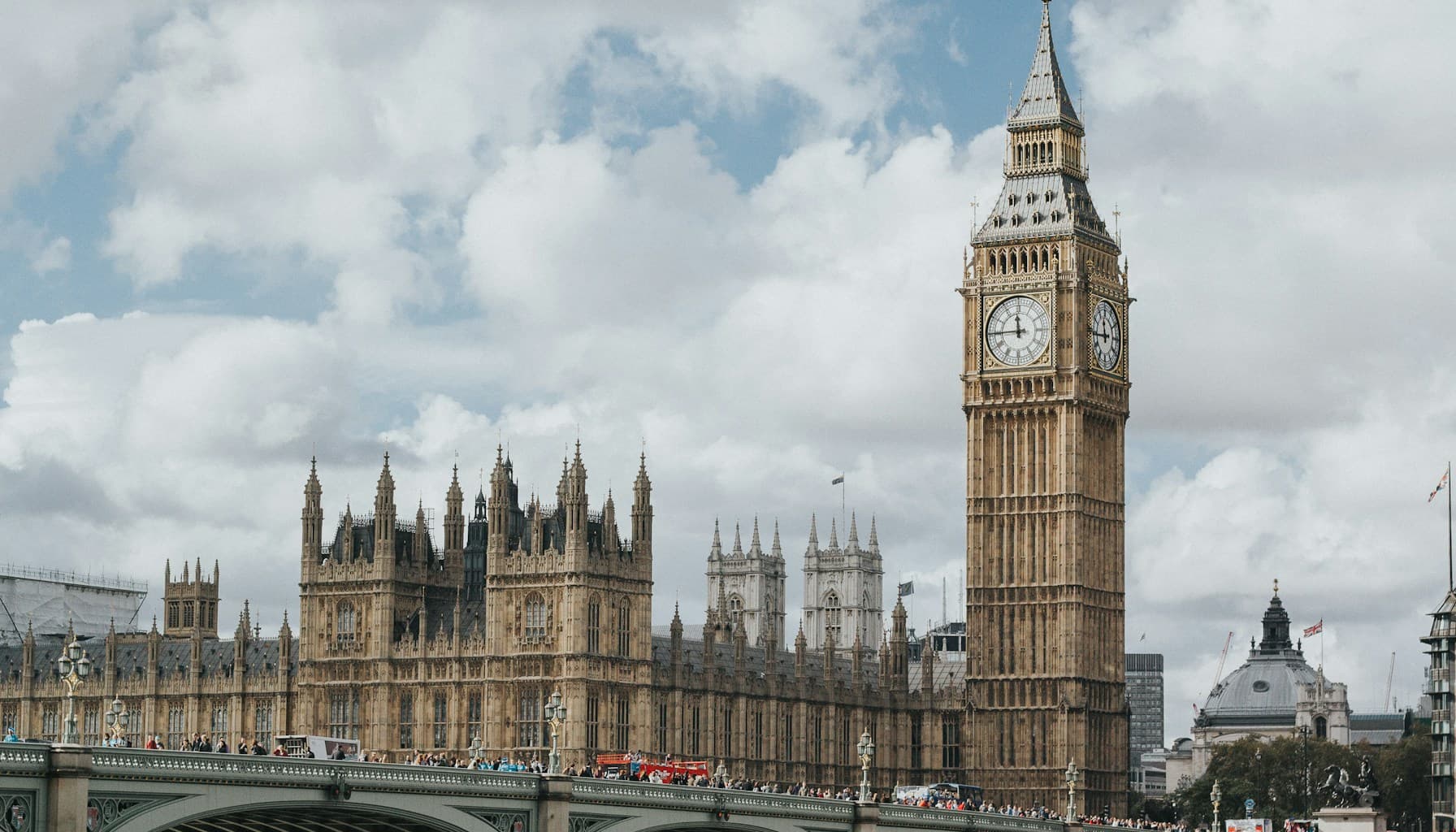
UK university staff report discomfort with calling international students “cash cows,” yet many accept the label fits today’s funding politics — a tension Indian applicants should read as a signal about scrutiny, not automatic rejection. Plan applications with verified visa funds, realistic budgets, and policies checked on official UK sites before you commit fees.
What happened, and why is UK faculty speaking up now?
The PIE News reports that staff across UK universities feel uneasy about the “cash cow” label applied to international students in recent years — even though many consider it an accurate descriptor in the current political climate, according to a newly cited sector report. The story does not name every institution or quote individual academics on the record; treat institution-level detail as unconfirmed until you read the full piece on The PIE News.
The headline matters because international enrolment is no longer discussed only in admissions offices. It sits in parliamentary debate, media coverage, and visa-policy reviews. When faculty acknowledge the financial reality while rejecting the tone, they describe a sector caught between welcoming global talent and defending public legitimacy. For Indian families, that is not abstract politics — it shapes how seriously compliance, attendance, and post-study work rights are enforced.
None of that replaces the official visa checklist. On money evidence, the UK Home Office Student visa guidance on GOV.UK states: “You must prove you have enough money to support yourself in the UK.” That wording, last confirmed against the Student visas section of GOV.UK in August 2026, is the standard families should plan around when political debate about fees grows louder.
Why does the ‘cash cow’ label matter for Indian students?
India sends the largest cohort of non-EU students to the UK, so any narrative that frames overseas enrolment primarily as revenue attracts tighter oversight of agents, course quality, dependants, and conversion from study to work. The PIE News summarises faculty sentiment as discomfort with the phrase paired with acceptance that it reflects reality — language that signals universities depend on international fee income even when leaders prefer softer framing.
That dependence does not automatically mean fewer visas. It means decisions become more evidence-based: stronger financial proof, clearer study intent, and courses that align with stated career plans. Indian applicants who treat the UK as a structured pathway — not a default backup — align with what policymakers and compliant universities want to demonstrate publicly.
Use Study in the UK to map course types, intakes, and policy context before you shortlist institutions. Pair that with a full cost picture using the study cost calculator so tuition, living costs, and travel are visible in one place before you pay a deposit.
Who is affected?
Undergraduate and postgraduate applicants from India face the most visible pressure: higher scrutiny at visa stage, and greater expectation that you can explain why a specific UK course beats domestic or other-country options.
Parents funding education are affected when political debate links international fees to housing costs, NHS pressure, or graduate labour markets. Budget for the full cycle — tuition, living costs, visa fees, health surcharge — not only year one.
Students planning dependants or switching routes sit in the most policy-sensitive band. Rules change faster here than for standard single-applicant study visas.
Final-year and Graduate Route planners are affected indirectly: if universities tighten enrolment quality to protect reputations, work-rights narratives stay under review even when the Graduate Route remains open.
| Applicant profile | Primary risk area | Practical focus |
|---|---|---|
| First-time UG/PG, self-funded | Visa credibility & funds proof | Course fit + UK student visa funds calculator |
| Career switcher / mature student | Study intent questions | Prior work link to chosen degree |
| Family with dependants | Policy sensitivity | Confirm dependant rules on gov.uk before applying |
| PG aiming for UK work | Route continuity | UK Graduate Route calculator + course accreditation |
What does this mean for fees, visas, and the Graduate Route?
Political language about international students as revenue sources does not, by itself, change Home Office rules overnight. It increases the cost of weak applications. State your numbers precisely and verify them on official pages the week you apply.
Student visa application fee (outside UK): £524 as of August 2026 — confirm on gov.uk: Student visa.
Immigration Health Surcharge: £776 per year of visa granted as of August 2026 — confirm on gov.uk: Immigration Health Surcharge.
Maintenance funds (London, 9 months): £13,761 as of August 2026 — calculated from the monthly amount published for students in London; confirm the live figure on gov.uk: Money you need before you submit.
Maintenance funds (outside London, 9 months): £10,539 as of August 2026 — same official page; bank statements must meet the published threshold for 28 consecutive days.
The Home Office published 435,000 sponsored study visa grants in the year ending June 2024 (Home Office immigration statistics) — a baseline showing scale before later policy tightening. Indian nationals held the largest share of study visas in that period (Home Office, 2024). Those figures explain why faculty discomfort with the “cash cow” label still coexists with financial dependence: volume and fees both matter in public debate.
The Graduate Route remains a distinct policy lever from classroom funding debates. Universities anxious about reputational damage still recruit internationally when courses are credible and compliant. Your task is to prove credibility early — academics may dislike the label, as The PIE News reports, but compliance teams enforce standards regardless of tone. For duration and post-study planning comparisons across routes, the visa and PR duration comparison tool can sit beside the Graduate Route calculator when you map timelines.
What should you do now?
1. Read the primary story on The PIE News and note whether the underlying report names your target universities; do not rely on social-media paraphrases.
2. Calculate total cash need — tuition deposit, £13,761 London maintenance (or £10,539 outside London) as of August 2026, £524 visa fee, £776 health surcharge per study year, plus travel — using the UK student visa funds calculator. Cross-check the broader budget with the study cost calculator.
3. Verify rules on gov.uk the week you apply: course level, CAS timing, dependants, work hours, and any institution-specific deposit rules on official sites. Start from the Home Office Student visas browse page and open the live money and fee pages linked from there.
4. Build a one-page study rationale: prior qualifications, career gap explanation, why the UK course, and how you will use the degree in India or abroad. Visa caseworkers and admissions teams both reward clarity.
5. Stress-test post-study plans with the UK Graduate Route calculator and course outcome data — political debate about international fees often runs alongside debate about work rights.
6. Track policy pages you already used — bookmark the same GOV.UK Student visa and money pages, and re-check figures in the month you pay deposits and again before you submit the visa form, so a plan built months earlier still matches live rules.
What questions should families ask before paying deposits?
Ask universities for written confirmation of CAS issue timelines, refund terms if a visa is refused, and whether the course has faced accreditation or compliance review — standard questions that become essential when international enrolment is politically visible. Ask counsellors to show the exact gov.uk page backing every financial figure. Ask whether your course history matches UCAS or direct-PG entry norms for your profile.
If a consultant promises visa approval because “universities need international students,” treat that as a sales line, not policy. The PIE News framing — unease with “cash cow” language alongside acceptance that it describes real financial pressure — tells you recruitment incentives and political scrutiny operate at the same time. Faculty discomfort does not rewrite the funds test; the Home Office still requires proof that you can support yourself, as set out in the Student visa guidance cited above.
---
Free NexStudy counselling can help you assess how funding politics, visa thresholds, and course choice intersect for your profile. Outcomes depend on your documents, course fit, and Home Office rules at the time you apply. Bring your target course list, bank capacity in rupees and pounds, and planned intake year so advice stays personal and evidence-based.
Frequently asked questions
Does this story mean UK universities will stop accepting Indian students?
No confirmed closure is reported. The story describes faculty attitudes, not a ban. Continue applications with verified funds and official visa rules.
What is the minimum cash to show for a London CAS visa in 2026?
£13,761 maintenance for nine months as of August 2026, plus tuition shortfall and £524 visa fee — confirm on gov.uk before applying.
Where should I verify health surcharge and visa fees?
Use gov.uk student visa and immigration health surcharge pages. Fees change by announcement; check the live page in the month you submit.
Is the Graduate Route cancelled because of this news?
This PIE News report does not announce Graduate Route cancellation. Check gov.uk immigration routes and your CAS letter for current entitlements.
Official and supporting sources
Check before acting
Confirm current visa, immigration, tuition, employment, ranking, scholarship, and admission requirements with the named official authority or institution.
Related in the journal
Continue reading
🇬🇧 United Kingdom · News Analysis
University of Sheffield announces over Rs 9 lakh scholarships for Indian students
University of Sheffield Offers ₹9 Lakh Scholarships to Indian Students: What This Means for Your UK Plans
🇬🇧 United Kingdom · News Analysis
Over 1,900 Small UK Businesses Still Licensed to Sponsor Foreign Workers Despite Tighter Visa Rules
Over 1,900 small UK businesses remain licensed to sponsor foreign workers even as the Home Office tightens visa rules, Legit.ng reports. For Indian students eyeing the UK, that number signals a post-study job market that
🇬🇧 United Kingdom · News Analysis
UK opens scholarships and startup fellowships for Pakistan’s next generation of leaders
The UK government announced that applications are open for Chevening Scholarships, the Chevening Oxford Centre for Islamic Studies Fellowship, and the Commonwealth Startup Fellowship aimed at Pakistan’s next generation o
🇬🇧 United Kingdom · News Analysis
Want to study in UK for free? Chevening Scholarship opens for master's aspirants
The UK Chevening Scholarship application window for master’s aspirants is open again, as reported by India Today — a fully funded route that pays tuition, living costs, and travel for selected Indian graduates who meet w
🇬🇧 United Kingdom · News Analysis
UK Offers Guidance for Africans, Other Foreign Spouses Who Lose Their British Partner on Family Visa
The UK Home Office has published clearer bereavement guidance for foreign spouses on family visas when a British partner dies, as reported by Tuko News. For Indian students and families, the update matters because it def
🇬🇧 United Kingdom · News Analysis
US Student Visas For Indians Drop Sharply In 2025, CIS Report Finds
Indian students planning US degrees face a tighter F-1 pipeline in 2025, according to NDTV’s coverage of a Center for Immigration Studies (CIS) report on falling visa issuances. For families weighing the UK as a Plan A o